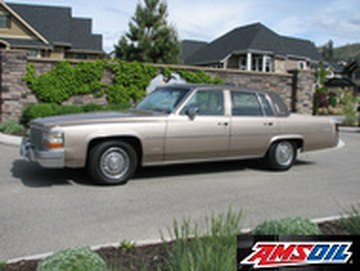
Maintaining Lubrication Standards for the 1981 Cadillac FLEETWOOD 4.1L
Proper engine maintenance is a cornerstone of long-term vehicle health, particularly for a classic luxury sedan like the 1981 Cadillac Fleetwood. Ensuring that the 4.1L engine receives consistent and appropriate lubrication helps manage the mechanical stresses associated with regular operation. While many aspects of automotive care are universal, focusing on specific inspection routines and understanding how to select the correct fluids can significantly impact the longevity of this vehicle's powertrain.Monitoring Fluid Integrity and Condition
One of the most effective ways to monitor the health of the 4.1L engine is through regular observation of the lubricant itself. The condition of the oil can provide important clues regarding the internal environment of the engine. When performing routine checks, it is useful to look for changes in the color or consistency of the fluid. If the oil appears excessively dark or contains visible particulate matter, it may indicate that the lubricant has reached the end of its effective service life or that the filtration system requires attention. Furthermore, any unusual odors or a milky appearance in the oil can be associated with various underlying issues that warrant professional investigation. Rather than attempting to diagnose a specific mechanical failure based on these observations, owners should treat changes in fluid appearance as a signal to perform a more thorough inspection of the engine's overall condition.Systematic Inspection of Engine Components
As vehicles age, certain components naturally undergo changes due to thermal cycles and extended use. For the 1981 Cadillac Fleetwood, a proactive approach involves inspecting various parts that are subject to environmental and mechanical wear. When conducting a visual inspection, focus on the following areas:- Gaskets and Seals: Inspect accessible sealing surfaces for any signs of seepage or weeping. While many seals remain effective for decades, age-related changes can lead to minor fluid loss.
- Hoses and Connections: If present, examine engine hoses for signs of hardening, cracking, or bulging. Ensuring that these components remain pliable is essential for maintaining system integrity.
- Drive Belts: If the vehicle is equipped with accessible drive belts, check them for evidence of glazing, fraying, or surface cracking.
- Electrical Connections: Inspect visible wiring and electrical connectors for signs of corrosion or loose seating, which can affect various engine-related sensors and systems.
Prioritizing Maintenance Through Documentation
For owners of a 1981 Cadillac Fleetwood, establishing a clear history of service is one of the most valuable steps in long-term ownership. If the previous service records are unavailable, the first priority should be to establish a new maintenance baseline. This involves documenting every oil change, filter replacement, and mechanical repair from this point forward. A well-maintained logbook allows an owner to:- Track the frequency of fluid changes and identify any patterns in lubricant consumption.
- Distinguish between routine preventive tasks and unexpected repairs.
- Monitor the condition of aging components over several years, allowing for informed decisions about when a part might need attention.
Understanding Lubricant Functionality
The engine oil in the 4.1L engine performs several vital roles beyond simple lubrication. It acts as a medium for heat management, helping to dissipate thermal energy away from critical internal components. Additionally, modern lubricant formulations are designed to manage contaminants and prevent the buildup of deposits that can occur over time due to the chemical processes within the engine. When considering different types of lubricants, it is helpful to understand the general categories available:- Conventional Oils: These are standard mineral-based oils that have been used for decades.
- Synthetic and Synthetic Blends: These formulations often provide enhanced thermal stability and better resistance to oxidation compared to conventional options.
- High-Mileage Formulations: Some high-mileage oil formulations contain additives intended for use in aging engines, including seal-conditioning additives that may help maintain the integrity of older gaskets.
Identifying Potential Service Needs
While many maintenance tasks are routine, certain symptoms should prompt a more detailed investigation. It is important to remember that a single symptom can have multiple potential causes, and an owner should avoid jumping to conclusions regarding specific component failures. For example, if you notice a change in how the engine sounds during operation or observe unusual exhaust characteristics, these may indicate that the lubrication system or other engine components require attention. Similarly, any unexpected increase in fluid consumption should be investigated promptly. An oil-pressure warning light is a critical indicator that requires immediate professional assessment to ensure the engine is being properly lubricated under all operating conditions.Practical Advice for Buying Engine Oil for your 1981 Cadillac FLEETWOOD 4.1L
When it is time to replenish the engine's lubricant, the most important step is to match the product to the specific requirements of your vehicle. Because different engines have unique needs regarding viscosity and additive packages, you should never rely on general automotive knowledge or assumptions based on the Cadillac brand alone. To ensure a correct match:- Consult the Application Data: Always refer to the vehicle-specific oil viscosity and application information provided on this webpage. This is the most reliable source for your specific 4.1L engine.
- Verify API Certification: Check the product label to ensure the oil meets current American Petroleum Institute (API) standards for quality and performance.
- Review Label Details: Before purchasing, confirm that the oil's specifications align with the guidance shown in your vehicle's documentation or the information provided here.